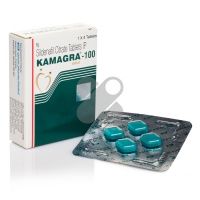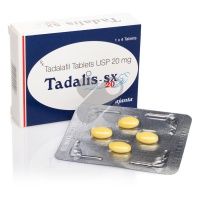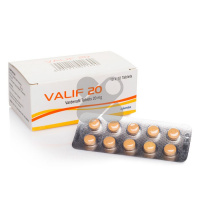

Generic Viagra (Sildenafil)
 Cenforce 100mg Cenforce 100mg |

Cardiovascular disease remains the leading cause of death among men in Europe, claiming millions of lives each year and disproportionately affecting those over 40. One common early indicator of this condition is erectile dysfunction, which frequently appears several years prior to more serious cardiac events due to their shared vascular origins.

Studies suggest that up to 52% of men aged 40 to 70 experience erectile dysfunction (ED),[1] which may precede cardiovascular events such as heart attacks by three to five years.[2] ED is a common condition affecting millions of men across Europe. It often carries a significant emotional burden due to feelings of embarrassment or inadequacy. However, it can also be an important early sign of other health problems, particularly those related to the heart.
Medical science is continuously exploring the physiological connections between ED and cardiovascular disease (CVD), highlighting shared risk factors, warning signs, diagnostic approaches, preventive measures, and treatment strategies. Understanding these links empowers men to take proactive steps towards better vascular health and overall well-being, encouraging them to seek timely medical advice.
At the core of both ED and CVD lies a shared pathway involving the blood vessels. Achieving an erection relies on healthy blood flow to the penis, regulated by the endothelium (the thin layer of cells that lines blood vessels). When the endothelium functions properly, it releases nitric oxide, a molecule that relaxes blood vessel walls and allows increased blood flow. However, endothelial dysfunction impairs this process, leading to reduced vascular flexibility and poor circulation.
Atherosclerosis, or the buildup of plaque in the arteries, further exacerbates this issue. Plaque narrows the arteries, restricting blood flow to both the heart and smaller vessels, such as those in the penis. As penile arteries are narrower than coronary arteries, symptoms of erectile disorder often appear before more obvious signs of heart disease, such as chest pain or shortness of breath. This makes ED a potential sentinel event for cardiovascular risk.
Studies have shown that endothelial dysfunction is an early marker in the progression of atherosclerosis, linking ED and heart disease directly.[3] For example, inflammation and oxidative stress can damage the endothelium, thereby promoting plaque formation and reducing nitric oxide and vascular function. Over time, this can lead to hypertension, impotence or diabetes-related erectile issues, compounding the problem.
ED and CVD share several modifiable risk factors that, when addressed, can significantly improve outcomes. These factors contribute to endothelial dysfunction and atherosclerosis by promoting inflammation, oxidative stress and vascular damage. Recognising them early allows for targeted interventions.
These risk factors often occur together, creating a vicious cycle. For instance, obesity can lead to diabetes and hypertension, both of which impair vascular function. Taking a holistic approach to addressing these issues is key to breaking this cycle.
Many men dismiss the early signs of ED as a normal part of ageing or stress, but these can signal deeper cardiovascular problems. Paying attention to these indicators can prompt earlier intervention and potentially avert serious heart events. Here are the key symptoms to watch out for:
Consider the case of a 52-year-old man who sought help for intermittent ED. Initially attributing it to work stress, he underwent screening that revealed high cholesterol and early atherosclerosis. Lifestyle changes and medication prevented a potential heart attack, demonstrating how erection problems can act as an early warning sign.
Diagnosing ED and its links to CVD requires a comprehensive approach, starting with a detailed medical history to assess symptoms and risk factors. Physicians often use validated questionnaires such as the International Index of Erectile Function to quantify severity.
ED-specific tests include:
Additional evaluations are crucial to screen for CVD, especially if ED is vasculogenic. These may involve:
A holistic check-up is emphasised, as ED may indicate silent heart disease. Guidelines recommend cardiovascular screening for all men with ED, particularly those over 40.[4] Early detection through these methods can inform personalised management plans.
Preventing ED and CVD requires adopting heart-healthy habits that improve vascular function and reduce risk factors. These strategies are accessible and can yield noticeable improvements within months. Here's a practical numbered guide:
Taking these steps can prevent progression and empower men to take control of their health.
Treating ED alongside cardiovascular issues requires a balanced approach that prioritises safety and addresses root causes. Lifestyle modifications form the foundation and can often improve symptoms without the need for medication.
For persistent cases, options include medications such as phosphodiesterase type 5 (PDE5) inhibitors, which enhance blood flow by increasing the effects of nitric oxide.[5] Drugs such as sildenafil (Kamagra, Viagra, Cenforce, Cobra), tadalafil (Vidalista, Cialis), or vardenafil (Valif, Levitra) can be effective, but must always be taken under medical supervision to ensure they are compatible with heart conditions. These potency drugs are generally safe for most men with stable heart disease, though they are contraindicated with nitrates due to the risk of blood pressure drops.
Other interventions include vacuum erection devices, penile injections or hormone therapy if low testosterone is a factor. For advanced cases, surgical options such as penile implants may be considered. It is important to note that treating underlying cardiovascular issues, such as high cholesterol or high blood pressure, often alleviates the condition.
Consult a healthcare provider to tailor treatments, as not all cases of ED signal CVD. Seeking professional guidance can help you to avoid pitfalls such as overgeneralisation and downplaying the issue.
The intricate relationship between erectile dysfunction and cardiovascular disease highlights the importance of vascular health for overall well-being. By recognising shared risk factors such as hypertension and atherosclerosis, and embracing preventive measures such as a healthy diet and regular exercise, men can effectively mitigate these conditions. Taking early action can enhance quality of life and reduce long-term complications.
If you're experiencing symptoms, don't hesitate to consult your doctor for personalised screening and advice. Exploring reliable resources on impotence management can provide further support and foster a proactive approach to wellness.