
Generic Viagra (Sildenafil)
 Cenforce 100mg Cenforce 100mg |

Two of the most common options for the treatment of erectile dysfunction are sildenafil and vardenafil. Although these substances belong to the same family of drugs, they behave differently. The right choice can make intimacy feel more relaxed, under better control and more enjoyable, so these differences matter.

Up to 50% of men between the ages of 40 and 70 suffer from erectile dysfunction (ED). This condition can develop gradually, suddenly, or only under certain circumstances. Fortunately, modern medicine offers effective and reliable treatments, such as sildenafil and vardenafil, so most men can find a medication that suits their needs and lifestyle.
Sildenafil and vardenafil inhibit phosphodiesterase type 5 (PDE5) in a comparable manner, yet their main enzyme selectivity differs. Erection pills containing sildenafil or vardenafil work by blocking PDE5, an enzyme that breaks down cyclic guanosine monophosphate (cGMP) in the smooth muscle cells of the penis. These medications inhibit PDE5, helping to maintain elevated cGMP levels. This leads to prolonged smooth muscle relaxation and increased blood flow, which is essential for achieving and maintaining an erection sufficient for sexual activity.
Sildenafil is a selective inhibitor of cyclic GMP-specific PDE5 enzyme. It is more potent on PDE5 than on other known phosphodiesterases, except PDE6, which is found in the retina and is involved in phototransduction.[1] This explains the visual disturbances that are occasionally reported with sildenafil use and are less common with vardenafil use.
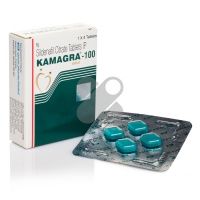
Sildenafil citrate was the first PDE5 inhibitor developed and was originally marketed under the brand name Viagra. Introduced by Pfizer in 1998, Viagra became one of the world's most widely recognised medications. Following the expiration of Pfizer’s patent, sildenafil is now available in many generic forms. Generic Viagra is marketed under various names, including Kamagra, Kamagra Oral Jelly, Cenforce and Cobra.
Vardenafil binds more tightly to PDE5, so it is more potent and effective at lower doses. It demonstrated approximately 20-times the potency of sildenafil in inhibiting PDE5 which is why a lower dose of vardenafil produces similar effects to a higher dose of sildenafil.[2]
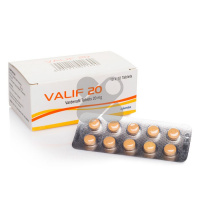
Vardenafil hydrochloride was developed by Bayer HealthCare, with Levitra becoming its first branded version in 2003. As with sildenafil, vardenafil is also available in various generic forms after the patent expired. A version of generic Levitra is available under the brand name Valif.
Sildenafil and vardenafil are often treated identically because they belong to the same class of PDE5 inhibitors. They support the natural erection process and are the primary treatment for erectile disorder. However, they are not identical. Each has its own strengths, pace and 'personality'. Once you understand what sets them apart, choosing between the two becomes much easier. Think of them as two helpful tools that work slightly differently. Both can improve erections, but one may suit your lifestyle and needs better than the other.
Both medications are suitable for short-term, on-demand use. However, their absorption profiles differ in clinically relevant ways.
Sildenafil usually takes 30–60 minutes to reach its peak effect. Vardenafil often acts faster, with some patients experiencing reliable results after just 10-30 minutes. While the difference is not dramatic, many men notice a more predictable onset with vardenafil, especially when sexual activity is planned at short notice.
As vardenafil usually starts working sooner, it is the better choice if you want a faster and more predictable onset.
The impact of food on ED and the effectiveness of sex pills is well documented. Food interactions remain one of the most practical differences. Sildenafil is sensitive to high-fat meals. Such meals slow its absorption, reduce its peak plasma concentration and lessen its clinical effect. Many men report poorer performance when it is taken after a large meal.
Vardenafil is less affected by food. Standard film-coated tablets still show some reduction in absorption in the presence of fat, but the effect is much milder. For this reason, vardenafil is often preferred by men who eat irregularly or who prefer spontaneity.
Vardenafil handles heavy meals far better than sildenafil, making it a more reliable option after a romantic dinner.
The duration of action of both drugs is similar. Sildenafil typically remains active for about 4–5 hours. Vardenafil can last slightly longer, often up to six hours. Neither offers the prolonged activity seen with tadalafil, but both provide a therapeutic window that is comfortable for a single sexual encounter. The small difference in duration only becomes relevant for men who prefer more flexibility in terms of timing.
Vardenafil often lasts a little longer, providing a wider and more relaxed timeframe for intimacy.
Dose potency differs due to binding characteristics. Sildenafil is available in strengths of 25 mg, 50 mg, 100 mg and 200 mg (i.e. Cenforce 200). Vardenafil is available in 5 mg, 10 mg and 20 mg doses. In most clinical studies, the 20 mg dose of vardenafil is roughly comparable to the 100 mg dose of sildenafil.[3] Lower milligram quantities do not imply a weaker effect, but rather increased potency per milligram.
Vardenafil delivers its full effect at lower milligram strengths, whereas sildenafil requires higher doses to achieve the same effect.
Both drugs share a core set of side effects that may include mild headaches, flushing, nasal congestion and gastric discomfort. The differences arise from their unique interactions with secondary phosphodiesterase enzymes. Sildenafil's effect on PDE6 can sometimes result in transient colour changes or heightened light sensitivity. These visual symptoms are dose-dependent and usually short-lived. Vardenafil rarely causes visual disturbances, but caution is needed when prescribing it to patients with known cardiac arrhythmia. Vardenafil has a mild but measurable effect on the QT interval. For most healthy men, this is not clinically relevant; however, it is important for patients taking QT-prolonging medication.
Sildenafil is more likely to cause mild visual changes, whereas vardenafil is gentler on the eyes, but caution is needed in patients with heart rhythm issues.
High blood pressure and ED are closely connected. Based on studies, both agents have been well researched in men with stable cardiovascular disease. Sildenafil has the largest evidence base due to its long history of use. Vardenafil is similarly safe when used correctly; however, the QT consideration often leads clinicians to screen for rhythm disorders before initiating therapy. Both drugs are well tolerated,[4] but they are contraindicated with nitrates and require caution in men with unstable cardiac symptoms, uncontrolled hypertension or severe heart failure.
While both drugs are generally safe for most men, sildenafil avoids QT-related concerns, whereas vardenafil requires more caution in individuals with existing rhythm issues.
ED affects up to 70% of men with diabetes, occurring with a higher prevalence in those with type 1 diabetes than type 2. The interplay between diabetes and sexual health can create serious challenges. Some research suggests that vardenafil is effective and well tolerated in patients with ED, diabetes, hypertension, and/or dyslipidaemia, and that it can be recommended as a first-line treatment for erection problems in patients with these conditions.[5] This may be due to its higher PDE5 binding affinity and more consistent absorption profile. Sildenafil is effective in a wide range of patients, including those undergoing erectile rehabilitation after prostate surgery, for whom flexible dose titration is often helpful.
Vardenafil is effective and well tolerated by patients with ED and diabetes.
In terms of cost, sildenafil is generally more affordable than vardenafil due to longer market presence and higher production volumes. Prices vary significantly by country, pharmacy, quantity and dosage.
The original Viagra (50 mg) still carries a premium price. A 12-tablet pack is sold at around €140, which works out at around €12 per tablet. In contrast, a 12-tablet pack of the original Levitra with the standard 20 mg dosage costs around €160 (approximately €13.30), even though it is no longer marketed in several EU countries after the patent expired in 2018.
Typical price ranges for generic tablets (without reimbursement) are:
Current prices in pharmacies for both branded products and generic versions may, of course, vary.
Both medicaments are approved by the European Medicines Agency (EMA) or national equivalents, and must meet stringent bioequivalence standards to ensure they are therapeutically equivalent to branded products in terms of safety, efficacy and performance. Minor differences in inactive ingredients exist, but these rarely impact results. Studies show comparable effectiveness in the treatment of impotence.
Overall, sildenafil typically offers better value for money and is more widely available, making it a common first choice, while vardenafil may be more suitable for specific needs due to its profile.
In practice, men often choose between these two erection medications based on their lifestyle and needs rather than clinical metrics. Sildenafil is widely available and affordable, with many generic options. Although fewer generic forms of vardenafil are available, it is often preferred by men who want slightly different results. Vardenafil suits men who want faster effects, fewer visual disturbances and more consistent performance regardless of mealtimes. There are also many reports documenting the efficacy and tolerability of vardenafil in men with ED who did not respond to sildenafil citrate.[6]
Here is a clear comparison:
| Feature | Sildenafil | Vardenafil |
|---|---|---|
|
Mechanism |
PDE5 inhibition with notable PDE6 interaction |
PDE5 inhibition with higher selectivity and affinity |
|
Onset of action |
30–60 minutes |
20–30 minutes |
|
Duration |
4–5 hours |
8–10 hours |
|
Sensitivity to high-fat meals |
High |
Moderate to low |
|
Visual side effects |
More common |
Rare |
|
QT interval effect |
Minimal |
Mild prolongation |
|
Diabetes |
Generally good tolerability |
Slightly better tolerability |
|
Common doses |
25–100 mg |
5–20 mg |
|
Real-world potency |
Higher mg needed |
Lower mg needed |
|
Best suited for |
Standard on-demand use |
Faster onset and greater spontaneity |
Sildenafil and vardenafil share the same therapeutic goal, yet differ in terms of their selectivity for enzymes, potency, how quickly they take effect, and how they are affected by food. Sildenafil remains the most recognised PDE5 inhibitor, supported by extensive research and clinical experience. Vardenafil provides a more targeted interaction with PDE5, a quicker onset for many patients and a lower risk of visual side effects. The choice between the two drugs depends on the patient's medical history, lifestyle, comorbidities and expectations. A clear understanding of these distinctions allows for a more individualised and effective treatment approach.